Choosing the right color palette for your shingles is more than just a matter of aesthetics; it can significantly impact your home's curb appeal and overall value. With countless options available, the decision can be overwhelming. Yet, understanding how colors work in conjunction with your home's architectural style, neighborhood vibe, and personal preferences will help you make a choice that enhances your property.

Understanding the Basics of Color Theory
Before diving into specific colors and styles, it's essential to grasp some fundamental concepts of color theory. Colors can evoke emotions, create illusions of space, and even influence perceptions of temperature. For instance, warm colors like reds and yellows tend to feel inviting and energetic, while cool colors such as blues and greens often convey calmness and serenity.
When selecting a color palette for your shingles, consider how these colors will interact with other elements of your home’s exterior. This includes siding, trim, windows, and landscaping. A cohesive color scheme creates harmony that makes your home stand out positively in the neighborhood.
The Role of Architectural Style
The architectural style of your home plays a significant role in determining which shingle colors will look best. Traditional homes often benefit from classic color palettes that reflect their historical roots. For example, colonial-style houses may pair beautifully with muted tones like slate gray or earthy browns.
On the other hand, modern homes allow for bolder choices. Bright blues or deep greens can create striking contrasts against clean lines and minimalist designs. Understand the style of your house to guide you toward appropriate color selections.
Neighborhood Considerations
While personal taste is vital in selecting shingle colors, it is also important to consider the aesthetic landscape of your neighborhood. Homes within a subdivision may have certain expectations regarding exterior colors to maintain visual consistency.
If you live in an area where pastel shades dominate, opting for bright colors might clash with surrounding homes and reduce property values. Conversely, if your neighborhood features eclectic designs with varied hues, there might be more room for creativity in your choice.
Exploring Color Combinations
One effective way to approach color selection is through combinations that complement each other. You might want to choose one primary color for the shingles while incorporating secondary hues that accentuate various features around your home.
For example:
- Monochromatic Schemes: Using varying shades of one color can create depth without overwhelming the eye. Analogous Colors: Selecting colors next to each other on the color wheel—such as blue and green—can result in a harmonious look. Complementary Colors: These are opposite each other on the wheel (like blue and orange) and can create dynamic visual interest when used correctly.
By thoughtfully combining colors based on these principles, you'll achieve an appealing look that feels cohesive rather than chaotic.
Testing Colors Before Making a Decision
Once you have a few potential options in mind, it's wise to test them before committing to a full roof installation. Many roofing contractors offer sample shingles or swatches that allow homeowners to visualize how different colors will appear on their actual roofs under various lighting conditions throughout the day.
Consider applying samples directly onto small sections of existing roofing or using software tools available online that simulate different shingle colors on 3D models of homes. This step not only helps clarify which shades resonate most but also allows you to see how they interact with surrounding elements like trees or neighboring homes.

Practical Tips for Choosing Shingle Colors
Consider Energy Efficiency: Darker shingles absorb heat while lighter shades reflect it. If energy efficiency is a priority due to climate considerations in areas like Prince Frederick MD, this factor should weigh heavily in your decision-making process.
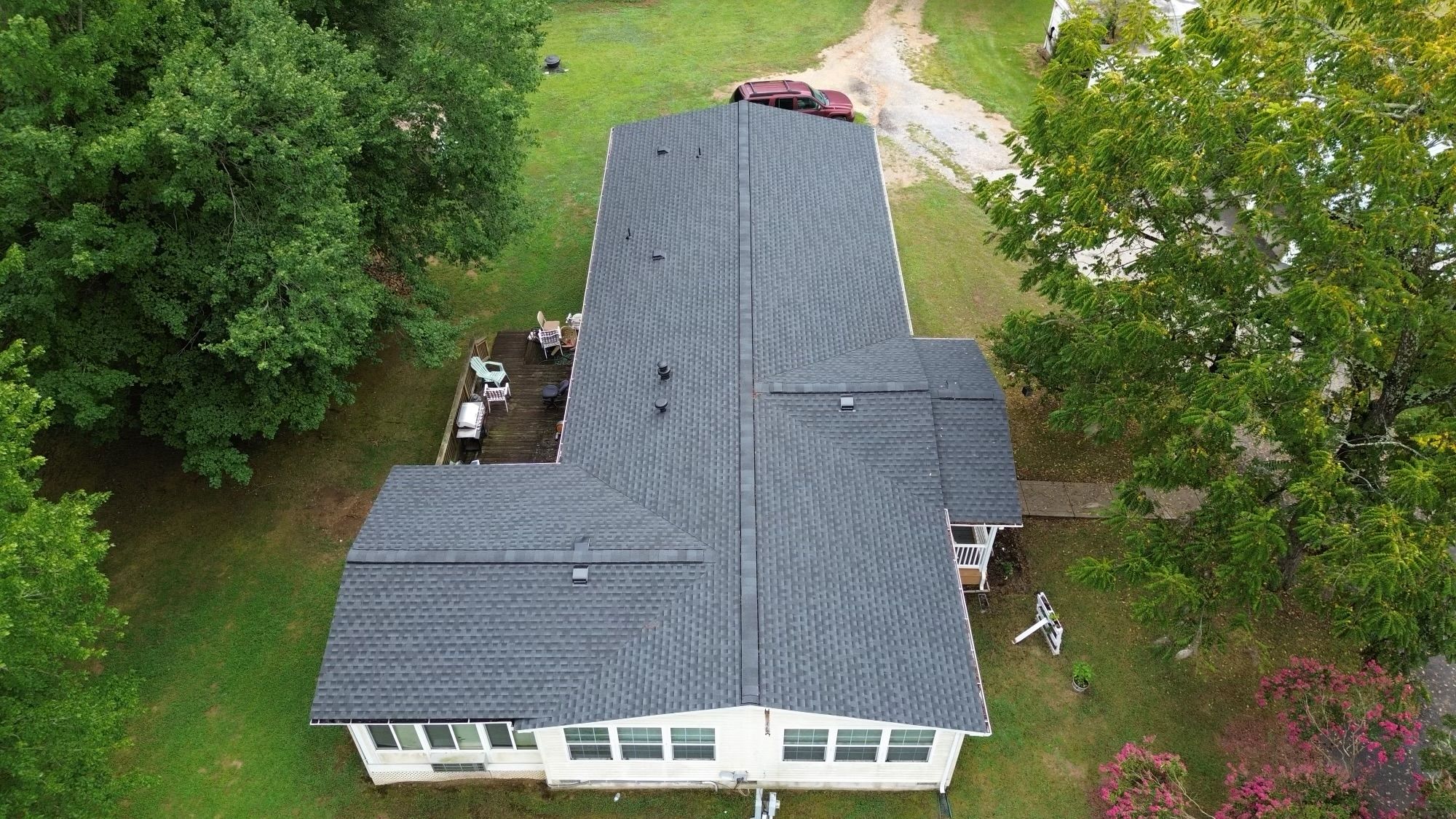
Material Matters: Different materials reflect light differently—wood shakes may have a natural weathered look that suits earth tones better than synthetic materials designed for vibrant colors.
Think Long-Term: Roofs are significant investments; therefore selecting timeless or versatile hues not only enhances immediate appeal but ensures compatibility as trends change over time.
Consult Professionals: Collaborate with experienced roofing contractors who understand local trends and styles—their insights paired with knowledge about material performance can save time and money long term.
Maintenance Matters: Some colors may show dirt or wear more quickly than others; lighter shades might require frequent cleaning compared to deeper hues which could hide imperfections better over time.
How Different Colors Affect Perception
The psychological effects of color cannot be overstated when considering shingles:
- Dark Colors: Often perceived as sophisticated yet may absorb heat leading to higher cooling costs during summer months. Light Colors: Known for reflecting sunlight but can sometimes give off an overly sterile appearance if not paired correctly with complementary elements.
Understanding these impacts provides insight into how you want visitors—and potential buyers—to perceive your home at first glance.
Real-Life Applications
To illustrate these principles effectively let’s examine two hypothetical scenarios:
A charming Victorian-style house painted creamy white with dark green trim opts for deep burgundy shingles—a classic choice enhancing its vintage character while maintaining warmth.
A sleek contemporary build features charcoal siding coupled with bold teal shingles—this daring combination not only makes a dramatic statement but fits seamlessly into its urban environment dominated by modern aesthetics.
Each example shows how thoughtful color selection aligns well with architectural design while creating strong emotional reactions among viewers who encounter them daily!
Conclusion
Color choices extend far beyond mere preference; they encapsulate personality traits while influencing marketability depending on local trends too! By understanding basic principles underlying both color theory & architectural contexts combined with practical tips from professionals within the industry—homeowners are equipped better than ever before making informed decisions about their roofs’ appearances!
For those situated in Prince Frederick MD looking for reliable assistance navigating these exciting choices ahead – partnering with local experts such as One Vision Roofing offers invaluable support ensuring optimal outcomes tailored specifically towards individual lifestyles without sacrificing quality craftsmanship along every step taken throughout this journey together!